
Last updated: 6 July 2026
An electric scooter needs motor liability insurance if its design speed exceeds 25 km/h, or if its speed is between 14 and 25 km/h and it weighs more than 25 kg. Slower and lighter models do not need it. What matters is not the name of the vehicle but its technical specifications: speed and weight.
The short version
- Insurance is mandatory if design speed exceeds 25 km/h, regardless of weight.
- It is also mandatory if the speed is 14 to 25 km/h and the weight is over 25 kg.
- Models up to 14 km/h, and lighter 14 to 25 km/h models (up to 25 kg), do not need it.
- If design speed exceeds 25 km/h, the vehicle is no longer a light vehicle but a motor vehicle, with stricter requirements.
- Raising the speed in software or removing the limiter can change the vehicle's class and its insurance obligation.
- After an uninsured accident, the compensation paid to the victim is later reclaimed from the person at fault.
Does your electric scooter need insurance?

Two figures decide the insurance obligation: the vehicle's design speed and its weight. The table below shows when motor liability insurance is mandatory and when it is not. Check your model's exact figures in the manufacturer's data, because those determine the need, not the vehicle's name.
| Vehicle specification | Motor liability insurance |
|---|---|
| Design speed over 25 km/h | Mandatory (regardless of weight) |
| Design speed 14 to 25 km/h and weight over 25 kg | Mandatory |
| Design speed 14 to 25 km/h and weight up to 25 kg | Not mandatory |
| Design speed up to 14 km/h | Not mandatory |
What does the insurance obligation depend on?
Since 1 December 2024, motor third-party liability insurance must be held for all vehicles powered solely by a motor if their design speed exceeds 25 km/h, or exceeds 14 km/h if the vehicle weighs more than 25 kilograms. This requirement also applies to unregistered vehicles, including light vehicles, small mopeds, and machinery.
In practice, this means that some electric scooters are also subject to mandatory insurance. It is important to understand that if a scooter's design speed exceeds 25 km/h, it is no longer considered a light vehicle but a motor vehicle. In that case, different requirements already apply, and such a vehicle may not be used in regular traffic without meeting the relevant conditions.
Therefore, it is not enough to know only the name of the vehicle, what matters are its speed and weight. "People often assume that if it is a scooter, then insurance is not needed. In reality, everything depends on the technical specifications of the particular vehicle," explains Triin Kääramees, Head of Product Development for Vehicle and Machinery Insurance at IIZI.
Insurance by vehicle type
Electric scooter
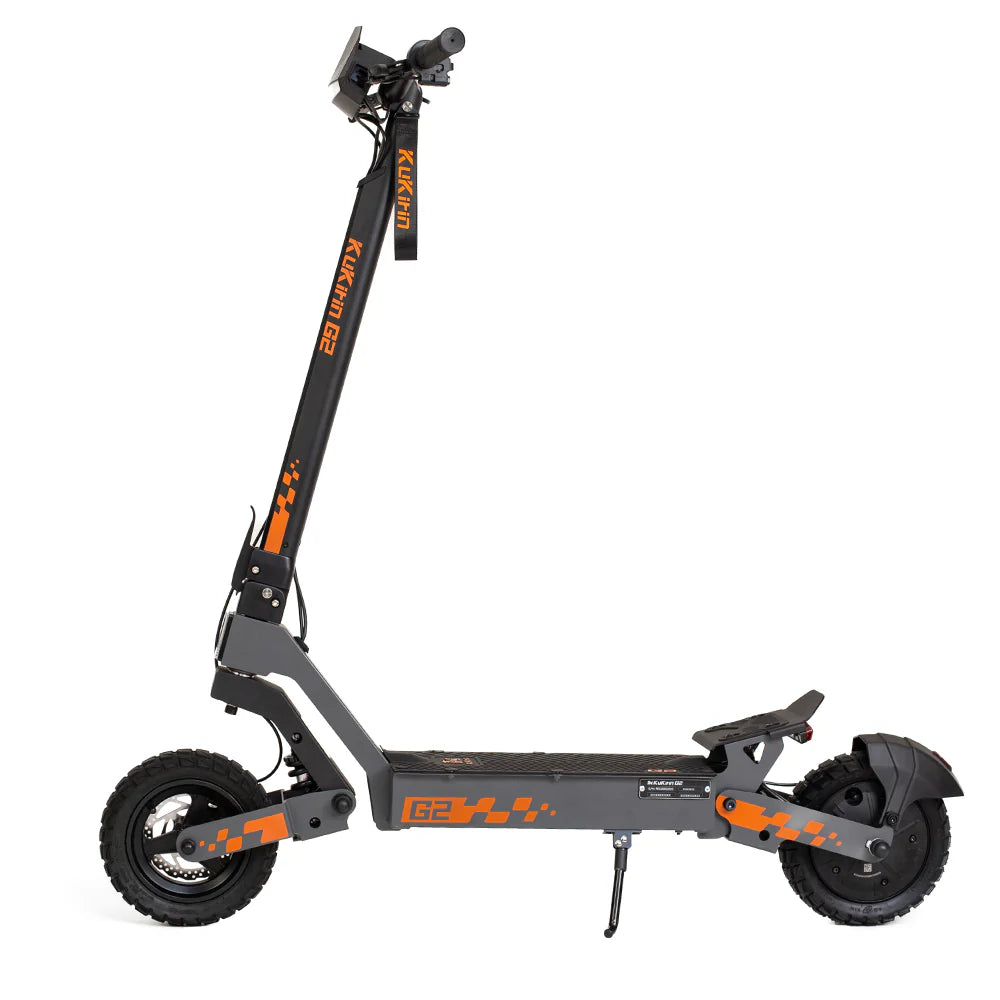
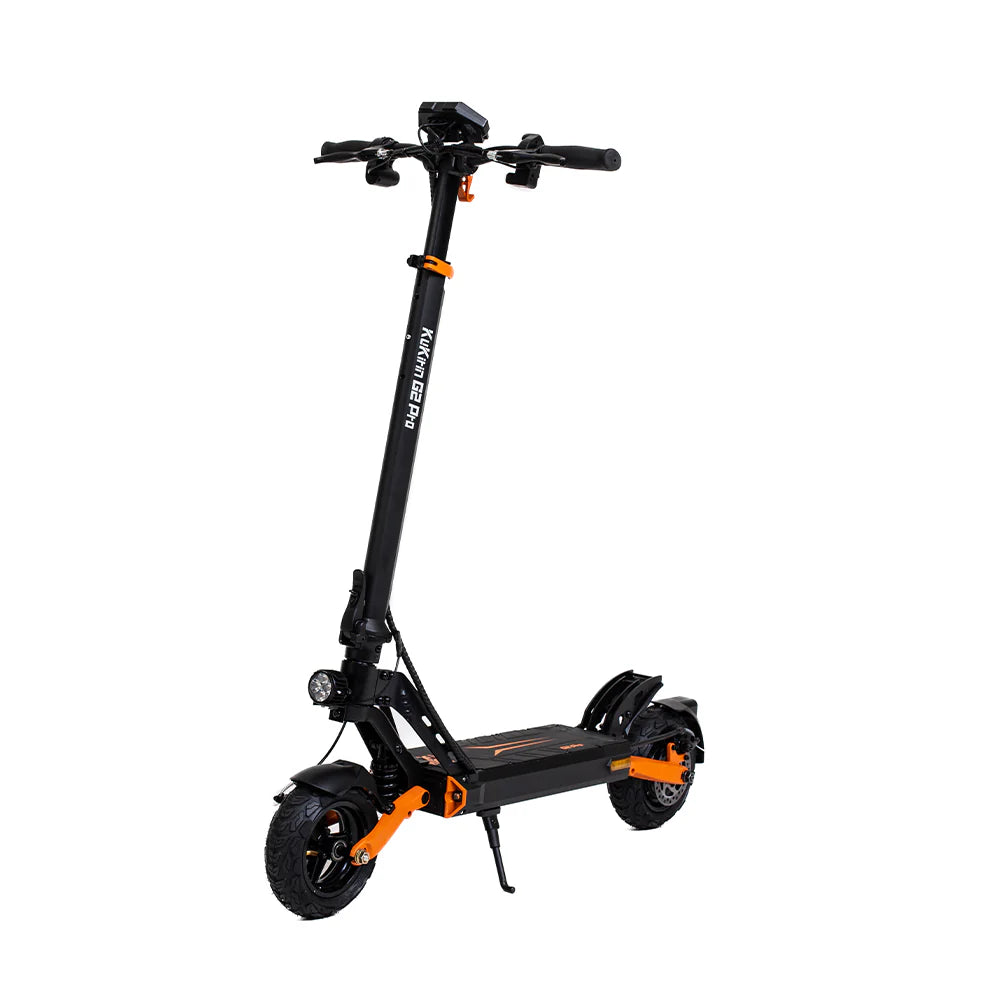
Most city scooters in the up-to-25 km/h light-vehicle class do not need insurance. The obligation arises when a model is faster than 25 km/h, or weighs over 25 kg and rides above 14 km/h. Check your model's figures in our electric scooter collection.
Electric bike
An e-bike with up to a 250 W assist motor that cuts out at 25 km/h is legally a bicycle and needs no motor liability insurance. More powerful and faster models may fall under the obligation by the same speed and weight logic.
Light vehicle (kergliikur)
A light vehicle is a seatless electric vehicle with a design speed of up to 25 km/h. If it weighs under 25 kg, no insurance is required; over 25 kg it is mandatory. The name alone gives no answer, the speed and weight combination does.
UTV and ATV
Kids' UTVs and ATVs are toys for private ground, not traffic vehicles, and need no motor liability insurance. Adult off-road vehicles are a separate category with their own registration and insurance rules, so check the specific vehicle type before buying.
Why is it worth paying attention to insurance?
The purpose of motor liability insurance is to cover damage you may cause to others in traffic. If there is no insurance, the damage caused to the injured party will still be compensated, but it will later be claimed back from the person at fault.
This means that even a seemingly minor accident can result in a significant financial obligation. For example, it may involve injuring a pedestrian, colliding with a cyclist, or damaging a parked car. "In practice, such damages can amount to thousands or even tens of thousands of euros," says Kääramees.
Accidents happen more often than it may seem
As the popularity of light vehicles has grown, accidents have also become more frequent. According to the Estonian Transport Administration, in 2025 there were 314 traffic accidents involving light vehicle drivers that resulted in personal injury. Although this is slightly fewer than the year before, it shows that the problem persists.
Most of those injured in accidents are the light vehicle drivers themselves, but other road users are also affected. These are often falls or collisions caused by excessive speed, inattention, loss of control of the vehicle, or alcohol intoxication.
It is also important to note that official statistics do not show the full picture. According to hospital estimates, 500 to 1000 electric scooter-related injuries are treated in Tallinn every year, many of which never make it into police statistics.
A modified scooter can also change the rules
It is also important to take into account that a scooter's technical characteristics may not always correspond to the manufacturer's original limits. For example, removing the speed limiter or modifying the software may increase the vehicle's speed. In that case, the vehicle may already qualify as a motor vehicle, to which different requirements apply. In addition, such a vehicle is not allowed to be used in regular traffic.
"Especially in the case of younger riders, it may not always be clear how fast the vehicle is actually capable of going. This can create both safety and financial risks," notes Kääramees.
Where and how to arrange insurance
Before the start of the season, it is worth reviewing your vehicle's specifications and making sure whether it falls under the mandatory insurance requirement. This helps avoid situations where the requirements are left unmet out of ignorance. "By now, it is possible in just a couple of clicks to check whether a light vehicle requires insurance and, if necessary, arrange it immediately," says Kääramees.
An electric scooter is a convenient and environmentally friendly means of transport, but it also comes with responsibility toward other road users. Check the scooter calculator to see whether your light vehicle needs motor liability insurance. If it does, you can arrange it quickly and conveniently directly on the IIZI website.
FAQ
Do all electric scooters need insurance?
No. Most models up to 25 km/h and under 25 kg do not. The obligation arises for faster (over 25 km/h) or heavier (14 to 25 km/h and over 25 kg) vehicles.
How much does electric scooter insurance cost?
The price depends on the vehicle and the provider. You can get the exact figure from the IIZI scooter calculator, which shows whether insurance is needed and how much it costs.
What happens if I ride without insurance?
If you cause an accident without insurance, the victim's damage is covered first by the fund, but the amount is later reclaimed from you. Damages can run to thousands of euros.
Does insurance replace registration?
No, they are separate requirements. Light vehicles up to 25 km/h need no registration; faster models may fall under motor vehicle rules. For riding rules, read our electric scooter guide.
If you are looking for a new light vehicle with clearly stated figures, see our electric scooter collection, where each model's speed and weight are listed.